
Church History
Who is Prophet David Owuor?
A Kenyan preacher and a former cancer researcher — the birth, the degrees, the six published papers, the state engagements, and the tests Scripture gives for weighing a prophet.
David Edward Owuor is a Kenyan preacher, born in May 1966 in Siaya County, who founded the Ministry of Repentance and Holiness. Before entering ministry he worked as a molecular biologist and cancer researcher in Israel and the United States, publishing in peer-reviewed journals. He is known for large public crusades, both here in Kenya and across the globe, calling the nations to repentance because the coming of the Messiah has drawn very near.
Where was Prophet David Owuor born?
He was born in May 1966 at Goma, Yimbo, in what was then Bondo District, Siaya County, to Hezekiah and Margaret Ochieng' Owuor. He is the second-born of nine children — six girls and three boys. The family background was a modest one; his father worked in the public service, and for a period as a labour migrant in Uganda.
His mother was a committed Christian who prayed the family into faith and made every household need a matter of prayer. He began attending church early and served in the Anglican Church as a boy.
What is Prophet David Owuor's educational background?
His schooling began at Wambasa Primary School in Yimbo. When his father's work took the family to Uganda he continued his studies there, and later attended Mbale Secondary School and St. Peter's College, Tororo. He entered Makerere University in Kampala, but his time there was cut short — his father retired and civil conflict was spreading across Uganda — and he transferred to the University of Nairobi.
He completed his Bachelor of Science at the University of Nairobi's Kabete Campus as the top student on the campus. That performance brought two competitive international scholarships, one German and one Israeli, and he took the Israeli offer.
In Israel he changed his field from plant genetics to biochemical genetics. He returned to Kenya on completing that work, and was back in Israel in 1994 for a doctorate in biochemical genetics at the University of Haifa, on Mount Carmel, specialising in DNA sequencing.
Was Prophet David Owuor a cancer researcher?
Owuor's research career is the part of his life most often asserted and least often documented. It can be checked. His name appears on six peer-reviewed papers and on a United States federal technical report, all of which remain publicly accessible — and the papers themselves record which institution he was working at when each was written.
The words in gold
Every technical term on this page is marked with a dotted rule. Hover over one, or tap it, and it explains itself in plain English without taking you off the page. Nothing in this section requires a background in biology to follow.
From 1999 he was a post-doctoral research associate at the Center for Pharmaceutical Biotechnology in the College of Pharmacy at the University of Illinois at Chicago. That affiliation is printed on the 2001 paper in Mutation Research. The work there concerned signal transduction in cancer cells: the mitogen-activated protein kinase cascades — p38, JNK1 and ERK2 among them — that determine whether a cell under stress survives or destroys itself, and the Nrf2 transcription factor and antioxidant response element, the mechanism by which the body switches on its own protective enzymes.
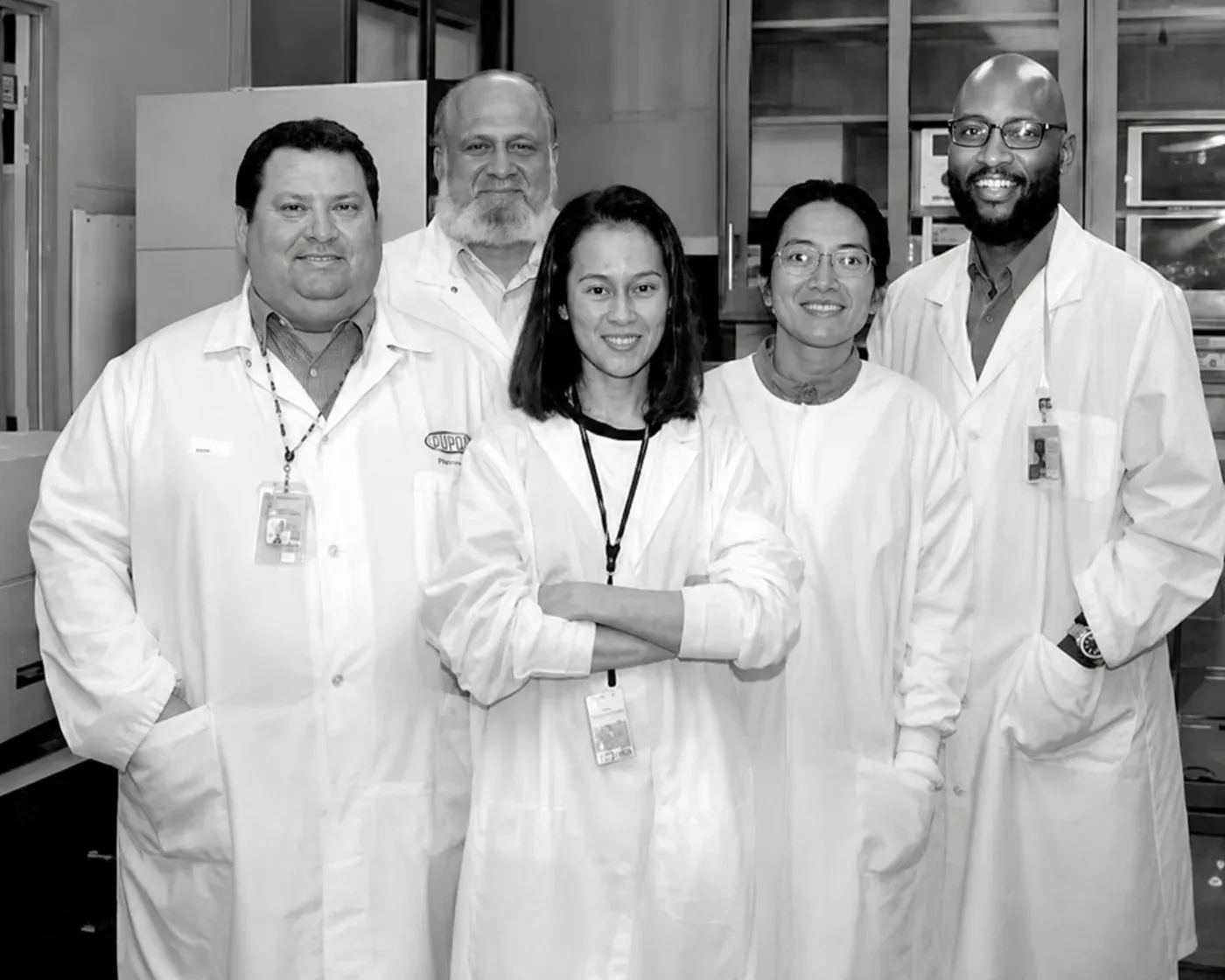
He then moved to the Department of Pharmaceutics at the Ernest Mario School of Pharmacy, Rutgers, working within the Environmental and Occupational Health Sciences Institute. That affiliation is printed on his 2002 paper in the Journal of Biological Chemistry and again on the 2003 paper in Carcinogenesis. The Rutgers work turned toward cancer chemoprevention — how the green tea polyphenol EGCG kills colon cancer cells, and how dietary compounds such as phenethyl isothiocyanate switch on the phase II enzymes that clear carcinogens from the body. He also joined the Cancer Institute of New Jersey as a Research Teaching Specialist, working on tumour growth and angiogenesis.
His published work includes:
- Yu R, Chen C, Mo YY, Hebbar V, Owuor ED, Tan TH, Kong AN. Activation of mitogen-activated protein kinase pathways induces antioxidant response element-mediated gene expression via a Nrf2-dependent mechanism. Journal of Biological Chemistry 275 (2000): 39907–39913.
- Fasanmade AA, Owuor ED, Ee RP, Qato D, Heller M, Kong AN. Quinacrine induces cytochrome c-dependent apoptotic signaling in human cervical carcinoma cells. Archives of Pharmacal Research 24, no. 2 (2001): 126–135.
- Kong AN, Yu R, Hebbar V, Chen C, Owuor E, Hu R, Ee R, Mandlekar S. Signal transduction events elicited by cancer prevention compounds. Mutation Research 480–481 (2001): 231–241.
- Owuor ED, Kong AN. Antioxidants and oxidants regulated signal transduction pathways. Biochemical Pharmacology 64, no. 5–6 (2002): 765–770.
- Misra P, Owuor ED, Li W, Yu S, Qi C, Meyer K, Zhu YJ, Rao MS, Kong ANT, Reddy JK. Phosphorylation of transcriptional coactivator peroxisome proliferator-activated receptor (PPAR)-binding protein (PBP). Journal of Biological Chemistry 277, no. 50 (2002): 48745–48754.
- Chen C, Shen G, Hebbar V, Hu R, Owuor ED, Kong AN. Epigallocatechin-3-gallate-induced stress signals in HT-29 human colon adenocarcinoma cells. Carcinogenesis 24, no. 8 (2003): 1369–1378.
Two of these deserve particular note. The 2002 review in Biochemical Pharmacology is his own work as first author, setting out how oxidants and antioxidants regulate signalling in the cell; it is still being cited across the literature more than twenty years later, in journals of cardiology, inflammation research, food science and cancer biology. And the 2003 Carcinogenesis paper on green tea and colon cancer has been cited more than two hundred times. These are not papers that were published and forgotten.
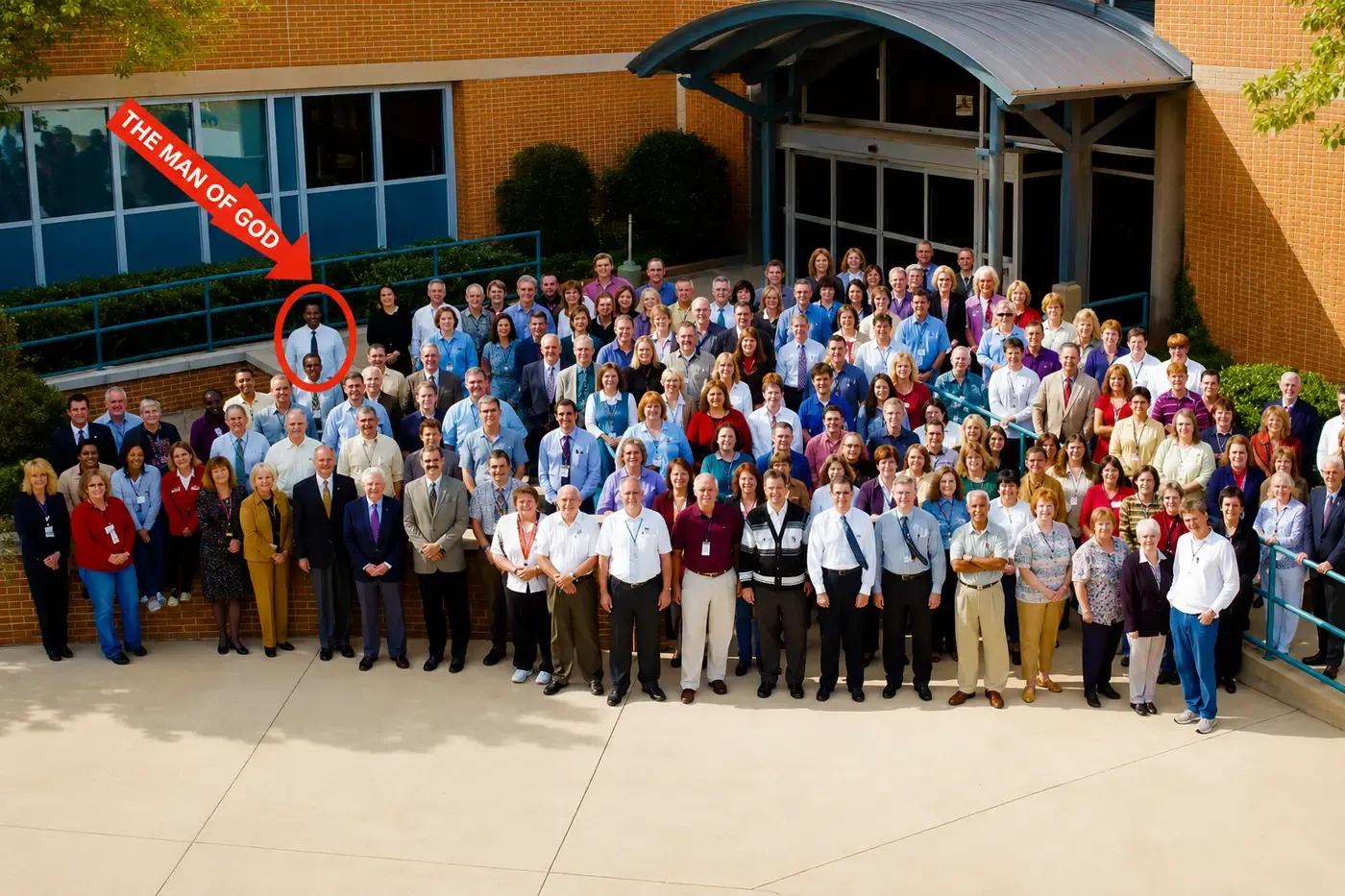
He later joined the Civil Aerospace Medical Institute of the Federal Aviation Administration in Oklahoma City, in forensic toxicology and aircraft accident research. He is a co-author of the FAA technical report Isolation of RNA From Peripheral Blood Cells: A Validation Study for Molecular Diagnostics by Microarray and Kinetic RT-PCR Assays — Application in Aerospace Medicine (DOT/FAA/AM-04/1, January 2004), which remains available from the FAA's public library of aerospace medicine reports. The work used microarrays and kinetic RT-PCR to read what blood cells were doing.
Why did Prophet David Owuor leave science for ministry?
By his own account the first turning point came in 1987, crossing into Uganda during the fighting to retrieve his academic papers. He prayed for safe passage and promised to give his life to God if he received it. He arrived safely, and — as he tells it — promptly forgot the vow.
He describes a recurring episode during his years in Haifa: colleagues at the institute gathering to look at him, and one of them saying, "Remember Moses." He dismissed it. In Chicago a stranger pulled over on Washington Boulevard to tell him that a light around him had been blinding, and asked him the same question. It was then, he says, that he connected the two.
The visitations he reports are dated. On 3 July 2003 he describes the Lord appearing to him and writing Isaiah 43:11 and Isaiah 43:1 on the wall. In October 2003 he describes being shown the Ark of the New Covenant with Moses and Elijah on one side and Daniel on the other, and waking at 3:26 a.m. On 2 April 2004 he describes a commissioning to warn the four corners of the earth to repent and prepare the way for the Second Coming.
He resisted for a considerable time. A serious road accident on the Garden State Parkway — a broken collarbone, blood from the eyes, the car written off — is the point at which, in his telling, he accepted that he could not keep running.
What is the Ministry of Repentance and Holiness?
The ministry has a dated beginning. He left his scientific career in July 2003. The commissioning he describes — the instruction to go and warn the nations — came on the afternoon of 2 April 2004, and he returned to Kenya that same year, preaching at first on the streets of Nakuru. On 19 October 2004 he says he was shown the state of the Kenyan church, and went to its leaders to call them to repentance; a national day of prayer followed. The Ministry of Repentance and Holiness was founded in 2005.
Its message has been consistent and narrow from the beginning: repentance from sin, a return to holiness, and preparation for the imminent return of Jesus Christ, framed around Isaiah 40:3–5.
A voice of one calling: In the wilderness prepare the way for the Lord; make straight in the desert a highway for our God.
Isaiah 40:3, NIV
The ministry did not originally set out to plant churches. The congregations gathered under Kings Outreach Ministry emerged out of necessity: mainline and Pentecostal churches began warning members against attending the crusades, and some expelled those who continued. Altars had to be established for people who no longer had a church to return to.
Healing is central to the ministry's public meetings, and reports of healings at the crusades are a large part of what draws the crowds.
What role has Prophet David Owuor played in Kenyan public life?
Owuor's engagement with the Kenyan state is a matter of public record.
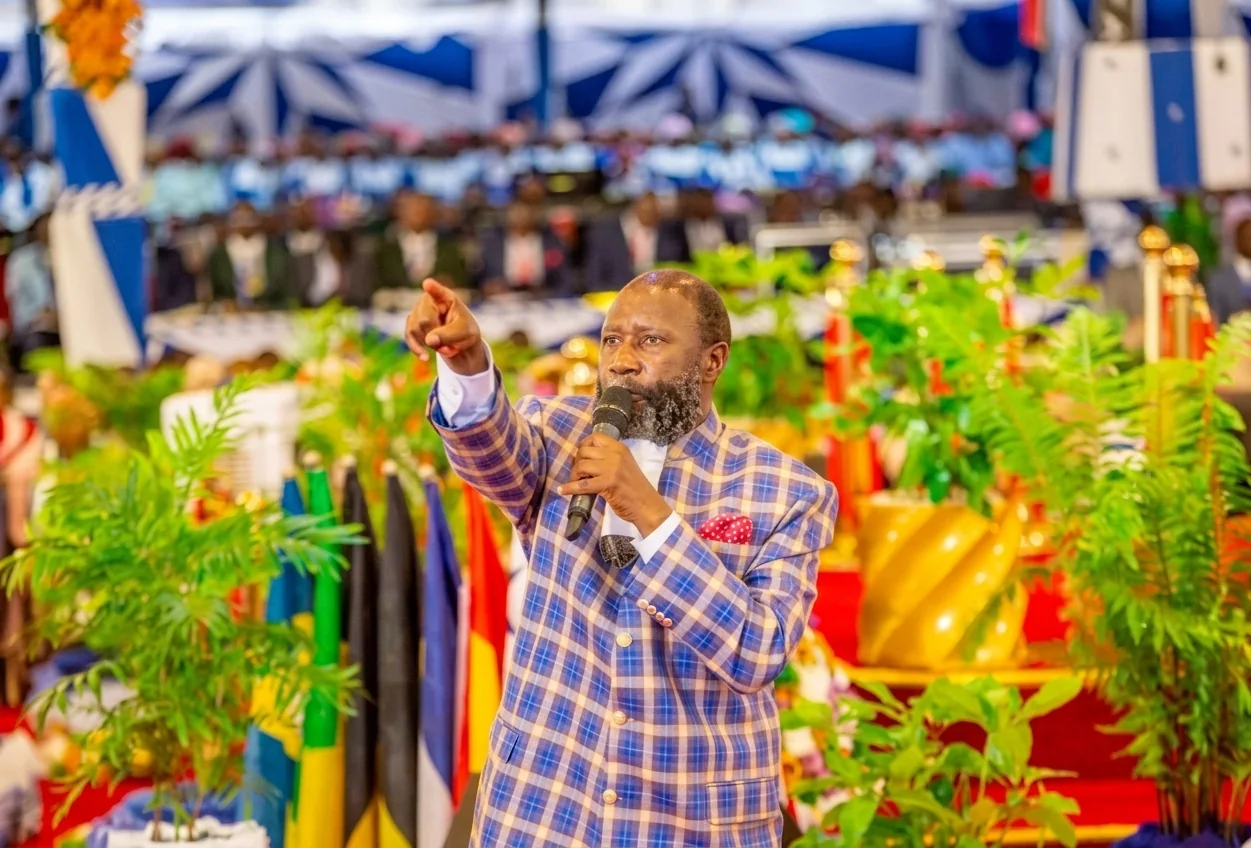
After the 2007–08 post-election violence he held meetings across the Rift Valley at which people surrendered weapons and returned looted property. The gatherings at Naivasha and Njoro were covered by the BBC and the Kenyan press; machetes, arrows, firearms, roofing sheets and household goods were handed over.
On 30 June 2009 the Ministry of Special Programmes formally engaged him to lead a nationwide campaign of prayer and fasting for reconciliation, announced by Permanent Secretary Mohammed Ali. The state provided security and transport rather than funding. He baptised Prime Minister Raila Odinga on 5 May 2009, and Kasarani MP Elizabeth Ongoro shortly after. In 2011 he was given a medal of recognition by the state at a rally in Nakuru.
Where does Prophet David Owuor preach today?
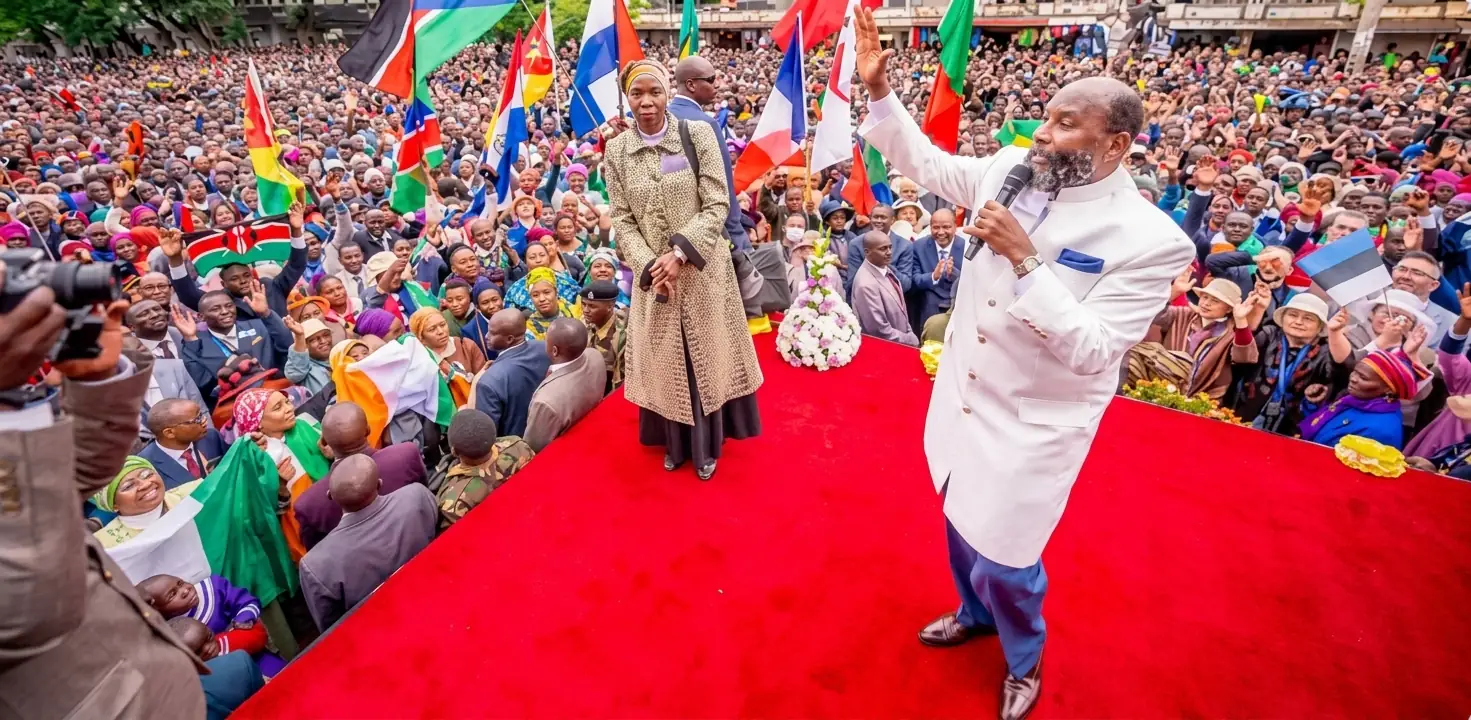
His commission, as he describes it, was to warn the four corners of the earth, and the work has never been confined to Kenya. He has given himself to preaching the gospel of the cross wherever he is received.
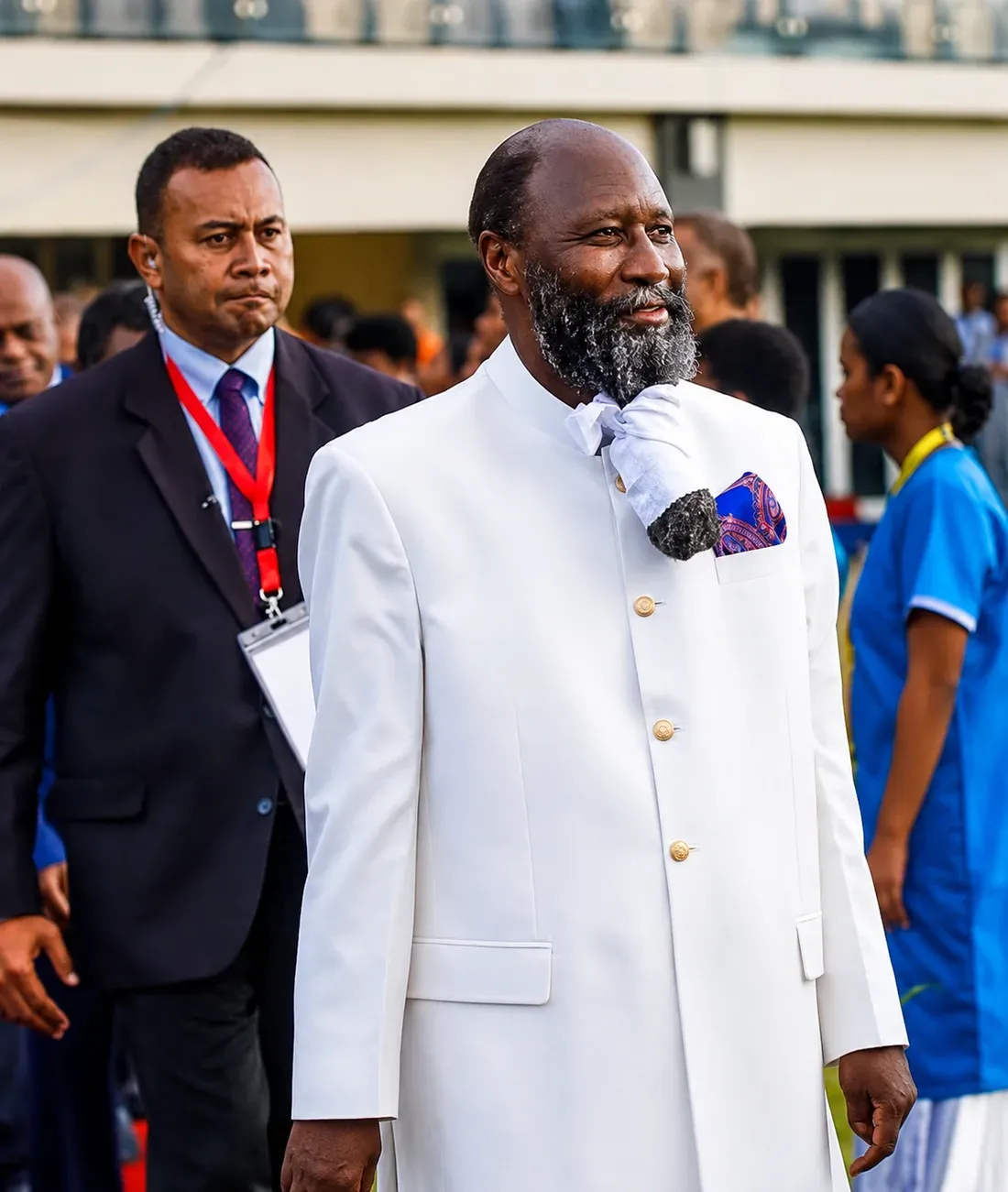
In June 2025 he spent a week in Fiji, closing with the Fiji Revival at Albert Park in Suva from Friday 20 to Sunday 22 June. He was met on arrival by Fijian church leaders led by Reverend Simione Tugi, General Secretary of the Fiji Evangelical Fellowship, and the meetings were reported by Fijian news outlets.
From Nakuru to Suva the message has not changed: repent, return to holiness, and prepare the way, because the coming of the Messiah has drawn very near.
Is Prophet David Owuor a true prophet?
This is the question asked most often, and Scripture does not leave it to opinion or to reputation. It gives tests, and it commands that they be used: test all things, and hold fast to what is good. Four of those tests bear directly on the question.
Does the teaching agree with Scripture? The message preached is repentance from sin, a return to holiness and preparation for the return of Christ, framed around Isaiah 40:3–5. A reader who wishes to apply this test has the message itself, preached publicly and recorded, to weigh against the Word.
Has the message stayed the same? A word shaped to please an audience shifts with the audience. A study of the movement published in 2013 described the preaching in the terms set out above; it is the same message carried to Nakuru at the end of 2025, and to Suva since. Consistency is not by itself proof, but it is a thing that can be checked, and it has held for more than twenty years.
Does the prophet seek gain? Scripture reserves particular severity for those who prophesy for money. He has not run the sow-a-seed gospel; he has spent twenty years attacking it. The church bodies that first turned on him did so on exactly that ground, citing Malachi and First Corinthians against him for fighting against giving.
Do the words come to pass? Deuteronomy 18:21–22 gives the plainest test of all: a word that does not come to pass was not spoken by the Lord. The ministry publishes its prophecies together with the dates on which they were given, and this test can only be applied one prophecy at a time, against what followed.
What this page is not
The purpose of this page is not to ask anyone to accept or reject Prophet Owuor on reputation, whether the reputation is good or ill. The proper question is whether the teaching, the conduct and the prophetic claims withstand the tests Scripture gives. That is a question the reader must settle, and Scripture gives the reader the means to settle it.
What do the days of Noah teach about rejecting a prophet?
A word of counsel to close. Noah preached for years before the first drop fell. Everyone who heard him had time to weigh what he said while weighing still counted for something, and the warning was never hidden from them. What they lacked was not warning but attention — life went on as usual, eating and drinking and marrying, until the day the ark was shut. Christ Himself pointed back to those days as the pattern for these: as it was in the days of Noah, so shall the coming of the Son of Man be.
That warning has now stood before this generation for more than twenty years. Since the Ministry of Repentance and Holiness was founded in 2005 the message has not varied — repent, return to holiness, prepare the way — and it has been sounded long enough for anyone who wished to weigh it to have done so.
The counsel, then, is not to decide quickly but to examine carefully: to weigh the record rather than the rumour, and to do it while examining still costs nothing. Do not believe a man because he is famous, and do not reject him because he is unpopular. Do not let the words of men stand between you and the truth. Ecclesiastes says that God has set eternity in the heart of every man; the longing to know what lies beyond this life was placed in you by the One who made you. Follow it, search the Scriptures, seek God, and let no one talk you out of the search.
Sources
- Mildred A.J. Ndeda, "The struggles of new religious movements in the Kenyan religious space: the case of Repentance and Holiness Movement," Les Cahiers d'Afrique de l'Est / The East African Review 47 (2013): 33–56. DOI 10.4000/eastafrica.404.
- Journal of Biological Chemistry 275 (2000): 39907–39913.
- Archives of Pharmacal Research 24, no. 2 (2001): 126–135. PMID 11339632.
- Mutation Research 480–481 (2001): 231–241. PMID 11506817. DOI 10.1016/s0027-5107(01)00182-8.
- Biochemical Pharmacology 64, no. 5–6 (2002): 765–770.
- Journal of Biological Chemistry 277, no. 50 (2002): 48745–48754. DOI 10.1074/jbc.M208829200.
- Carcinogenesis 24, no. 8 (2003): 1369–1378. PMID 12819184. DOI 10.1093/carcin/bgg091.
- Federal Aviation Administration, Office of Aerospace Medicine, DOT/FAA/AM-04/1, January 2004.
- Daily Nation, "State turns to God for healing wounds of election violence," 4 July 2009.
- BBC News, Rift Valley — coverage of the weapons-surrender meetings.
- Mai TV Fiji, "Prophet arrives in Fiji for evangelism and healing crusade," June 2025.
- fijivillage, "Prophet Dr David Owuor to hold a crusade at Albert Park from Friday to Sunday," June 2025.
Scripture in this article
- Isaiah 43:11
- Isaiah 43:1
- Isaiah 40:3–5
- Isaiah 40:3
- Deuteronomy 18:21–22
Keep reading
First published in Repent and Prepare the Way (opens in a new tab).